
Watercolor has a reputation today as a soft, gentle medium, associated with botanical studies, storybook illustrations, and quiet nature scenes. That reputation took thousands of years to build, and the medium’s history is far more varied — and far older — than most people realize.
Ancient Origins
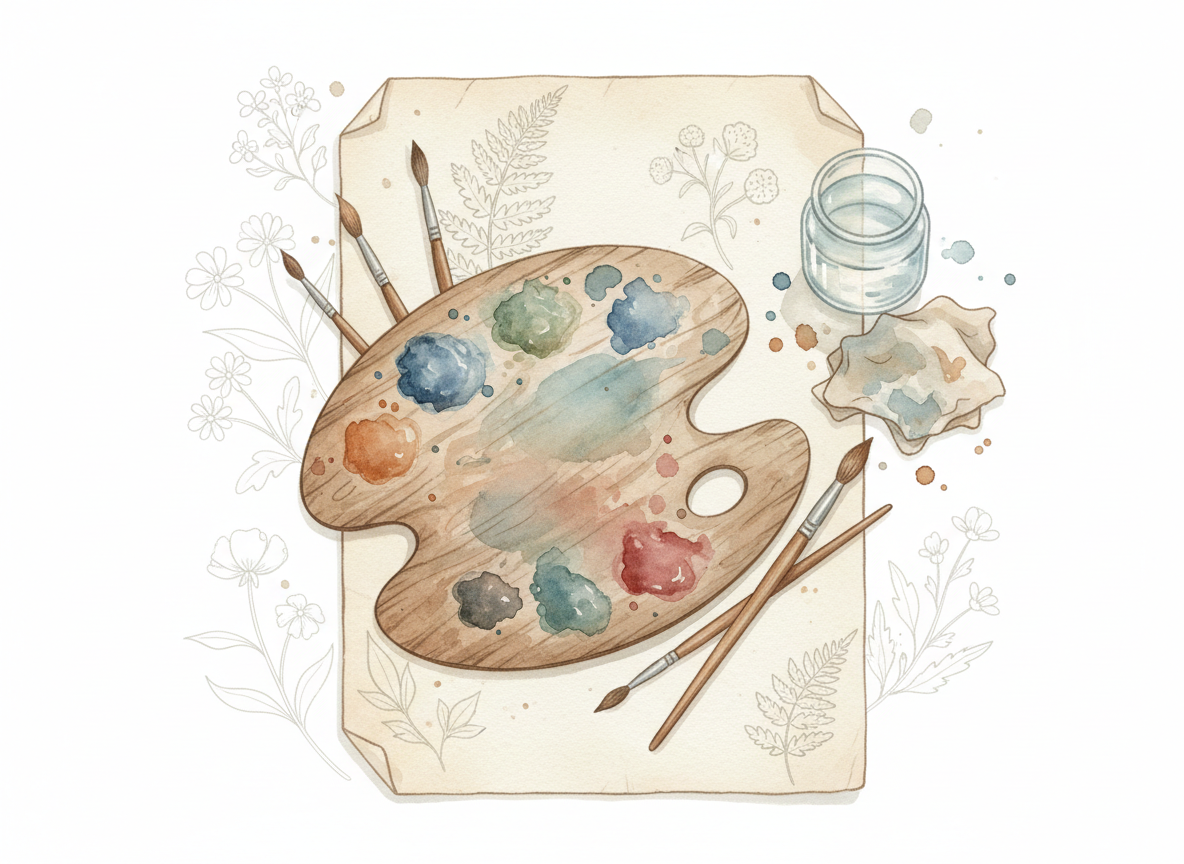
Water-based pigments are among the oldest painting materials humans have used. Cave paintings dating back tens of thousands of years relied on mineral pigments mixed with water and animal fat. Ancient Egyptians refined the approach considerably, using water-based pigments on papyrus to illustrate religious texts and tomb decorations as early as 3000 BCE, prizing the medium for its ability to produce flat, clear, symbolic color rather than realistic shading.
In East Asia, watercolor developed along an entirely separate and highly sophisticated path. Chinese ink wash painting, dating back over a thousand years, used water-diluted ink on silk and paper to create landscapes defined by tone and empty space rather than hard outlines. This tradition prized restraint and suggestion over precise detail, an aesthetic philosophy that still echoes in watercolor’s reputation as an atmospheric, less rigid medium than oil paint.
The European Turning Point
Watercolor as it’s commonly recognized today — pigment bound with gum arabic, applied to paper with a brush and water — really came into its own in Europe during the Renaissance. Albrecht Dürer’s watercolor studies of plants and animals in the late 15th and early 16th centuries are often cited as the medium’s first true masterpieces, remarkable for their scientific precision as much as their beauty.
The medium’s biggest leap in status came in 18th and 19th century Britain, where watercolor transformed from a tool mainly used for quick topographical sketches and scientific illustration into a serious fine-art medium in its own right. Artists like J.M.W. Turner pushed watercolor’s expressive range dramatically, using it to capture atmosphere, weather, and light in ways that had previously been considered exclusive to oil painting. The Royal Watercolour Society, founded in London in 1804, formalized the medium’s new status among serious painters.
Botanical Illustration and the Natural World
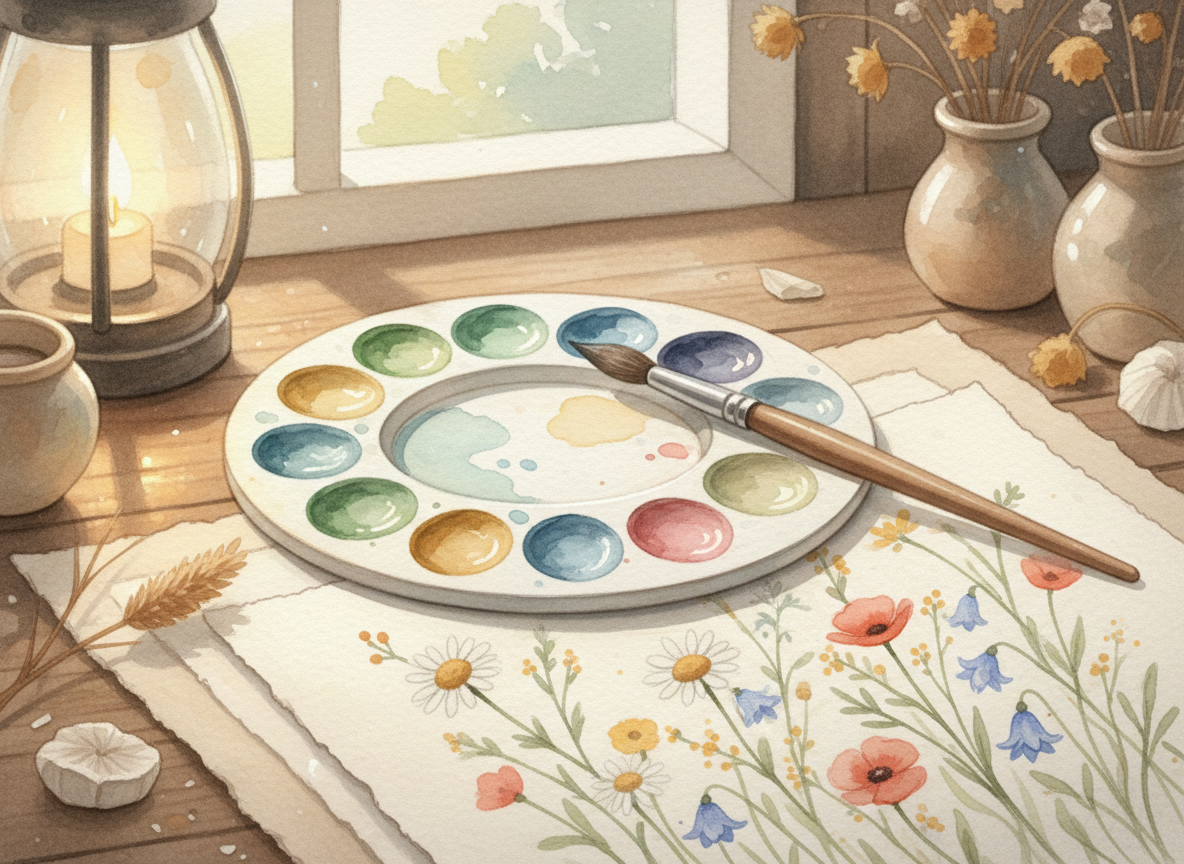
Watercolor’s association with nature specifically has deep, practical roots. Long before photography, watercolor was the primary tool scientists and explorers used to document new plant and animal species discovered on expeditions. Its transparency allowed for precise, layered detail, its portability made it ideal for fieldwork, and its quick drying time suited artists working against the clock in unfamiliar climates. Beatrix Potter, later famous for her illustrated animal stories, actually began as a serious amateur naturalist whose detailed watercolor studies of fungi and small animals informed the gentle, accurate style she later became known for in children’s books.
Why Watercolor Still Feels Like Nature’s Medium
Part of why watercolor still reads as the natural choice for gentle, nature-themed art comes down to how the medium physically behaves. Pigment suspended in water spreads, blends, and settles somewhat unpredictably on the page, in a way that mirrors organic textures like fur, feathers, leaves, or mist far more convincingly than the harder edges of acrylic or digital illustration. That built-in softness, combined with centuries of association with botanical and wildlife documentation, is exactly why watercolor remains the medium of choice for illustrators drawn to woodland creatures, wildflowers, and quiet, cozy natural scenes.
This same tradition is exactly what inspired our own watercolor wall art, available in our Etsy shop, NaturalEMNB.
 Cottagecore Prints
Leave a comment