
A forest is never the same place twice. Temperate woodlands — the kind most associated with cottagecore imagery — go through such a dramatic yearly transformation that the same patch of trees can look, sound, and even smell completely different depending on the season. Here’s what’s actually happening beneath that transformation.
Spring: The Race for Light
Before the forest canopy fills in, the forest floor gets a short window of direct sunlight — and plants like wildflowers, ferns, and woodland bulbs race to bloom and photosynthesize during those few weeks before taller trees block the light for the rest of the year. This is why so many classic “woodland flower” images — bluebells, wood anemones, trilliums — are specifically spring phenomena. Animals time their lives around this same light window: many forest birds nest early enough that their chicks hatch just as spring insects, feeding on new leaves, reach their peak numbers.
Summer: The Closed Canopy
By midsummer, a mature forest canopy can block out 90% or more of incoming sunlight, creating a cooler, more humid microclimate below than the open air outside the treeline — often several degrees cooler on a hot day. This is also when a forest is loudest: peak insect activity supports peak bird and bat activity, and the understory becomes dense with ferns and shade-tolerant plants that spent spring building up energy reserves.
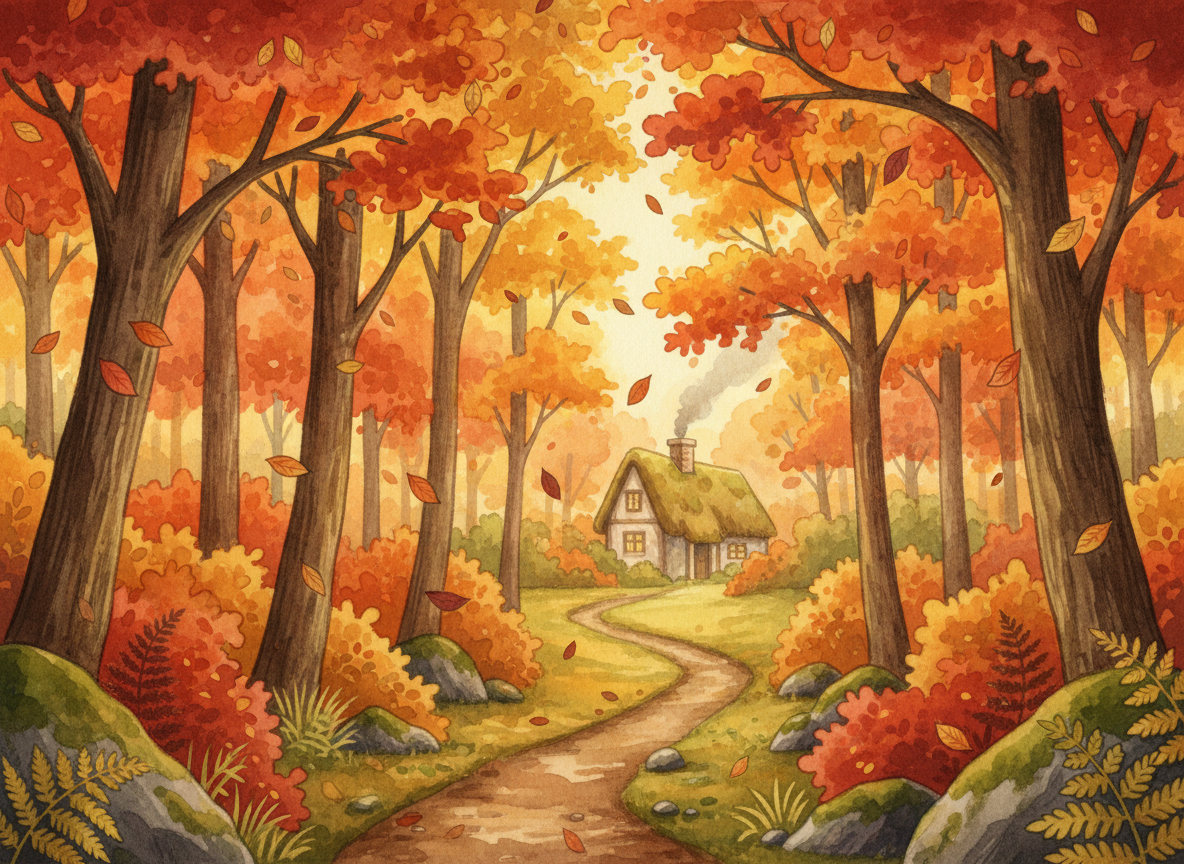
Autumn: Why Leaves Change Color
Leaf color change isn’t decay — it’s a controlled shutdown. As daylight shortens, trees stop producing chlorophyll, the green pigment that dominates leaf color during the growing season. As chlorophyll breaks down, other pigments that were present in the leaf all along — yellow and orange carotenoids — become visible. Red and purple tones come from anthocyanins, which some trees actively produce in autumn, possibly as a sunscreen that lets the tree reclaim a bit more nutrients from the leaf before it drops. The exact colors and intensity of a given autumn depend heavily on weather: a combination of warm, sunny days and cool (but not freezing) nights tends to produce the most vivid reds.
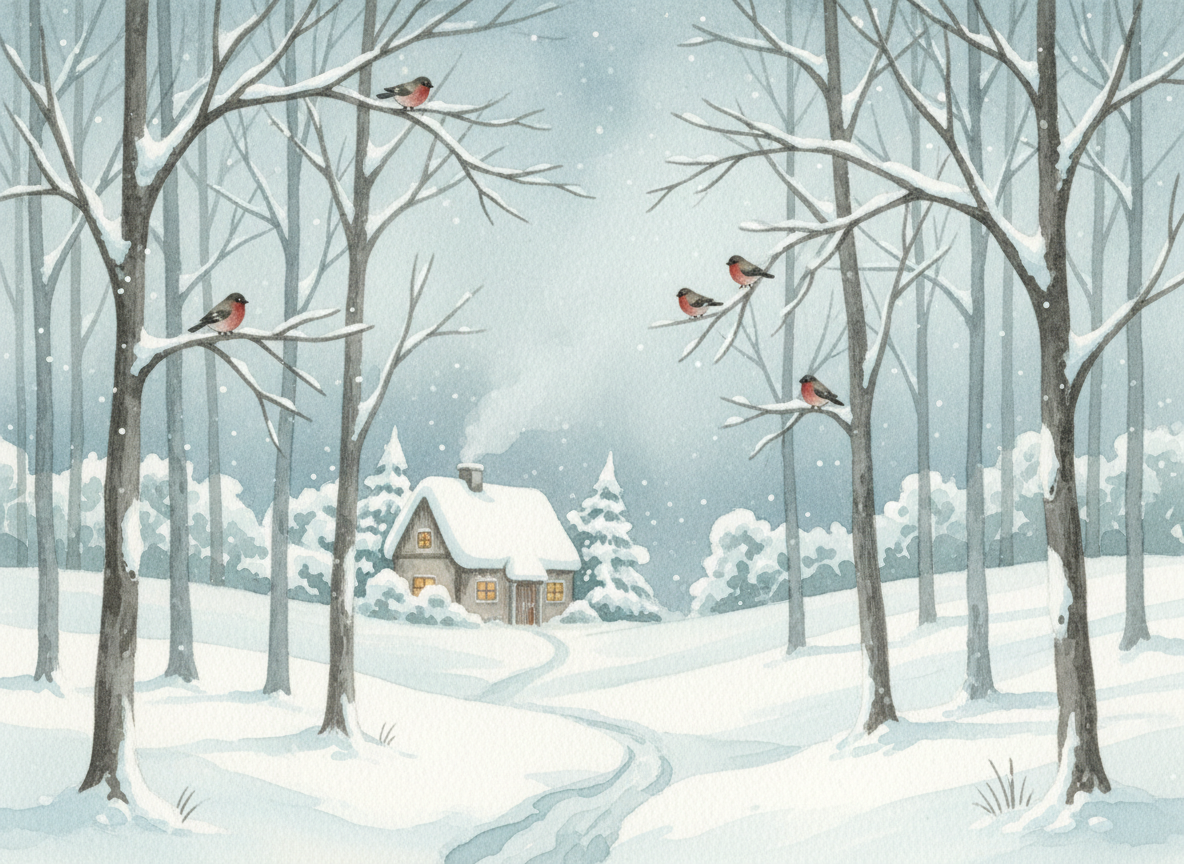
Winter: Dormancy, Not Emptiness
A leafless winter forest looks dormant, but it’s far from empty. Deciduous trees enter true dormancy, slowing their metabolism to survive freezing temperatures without the energy cost of maintaining leaves. Many forest mammals, including hedgehogs and some bat species, enter genuine hibernation — a state distinct from ordinary sleep, involving dramatically lowered heart rate, body temperature, and metabolism that can last for months. Other animals, like many fox and deer species, stay active all winter, relying on thicker fur and fat reserves instead. Meanwhile, with the canopy gone, far more light reaches the forest floor than at any other point in the year except very early spring — setting the stage for the whole cycle to begin again.
Why This Cycle Feels So Powerful
Few landscapes make the passage of time as visible as a forest does across a year. That visible, repeating transformation — bare branches to bloom to full canopy to color to bare branches again — is likely a big part of why forests hold such a strong place in art, folklore, and seasonal storytelling across so many cultures: they’re one of the clearest natural clocks we have.
We capture these seasonal woodland moods in our watercolor wall art prints, available in our Etsy shop, NaturalEMNB.
 Cottagecore Prints
Leave a comment