
Long before they became the gentle, watercolor-illustrated stars of nursery walls and storybooks, foxes, hedgehogs, and otters were simply wild neighbors — animals people watched from a distance, wove into folklore, and tried, not always successfully, to understand. Their real lives are stranger and more interesting than the soft, sleepy versions we usually picture.
The Fox: Trickster, Survivor, Neighbor
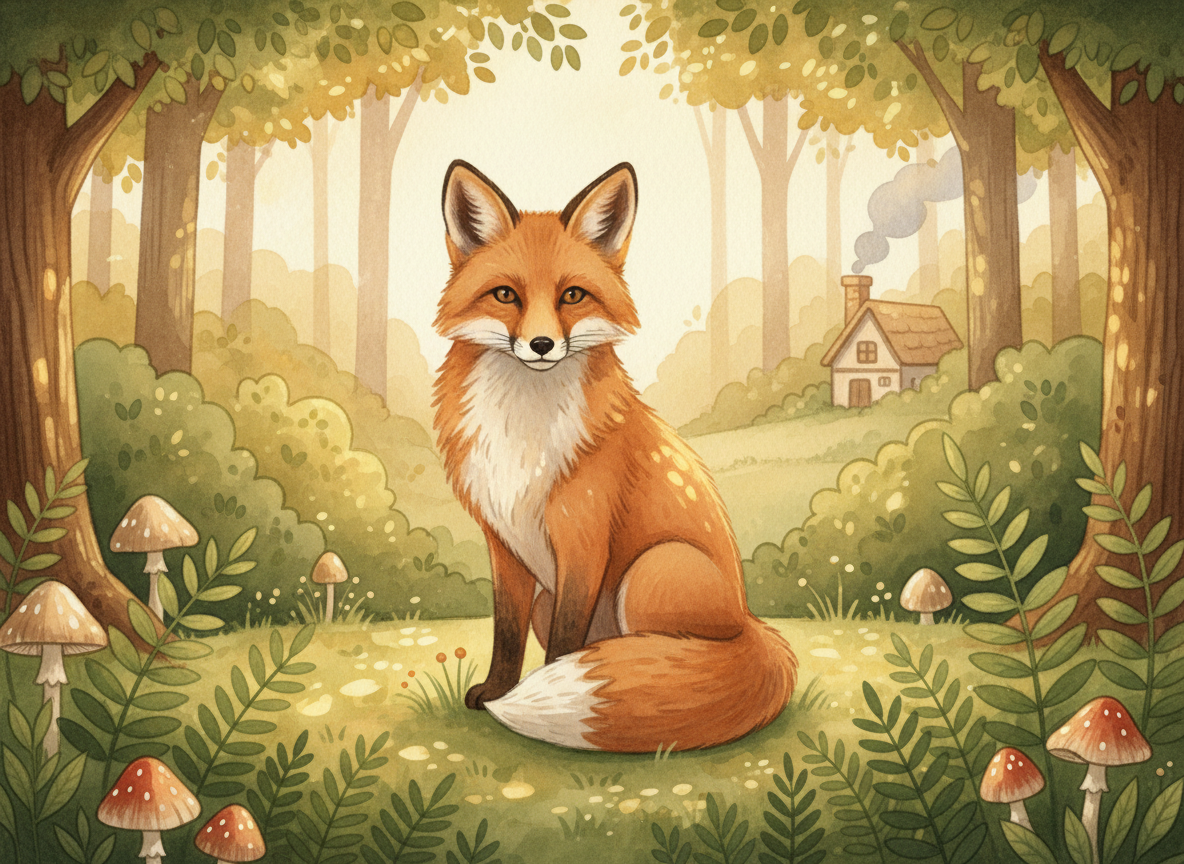
Foxes are members of the dog family, but they behave more like cats in many ways — they stalk prey low to the ground, pounce, and are largely solitary hunters rather than pack animals. Red foxes, the most widespread species in the Northern Hemisphere, are famous for a hunting technique called the “mousing pounce”: they listen for rodents moving under snow or leaf litter, then leap almost straight up before diving down nose-first to pin their prey. Scientists have found foxes actually align these pounces with the Earth’s magnetic field, possibly using it like a rangefinder — one of the few known cases of an animal using magnetoreception to hunt.
Culturally, the fox has almost always been cast as a trickster. In Japanese folklore, the kitsune is a fox spirit capable of shapeshifting into human form, often depicted as clever, mischievous, and sometimes dangerous to underestimate. In Aesop’s fables, the fox is the animal who talks its way out of trouble or convinces others that the grapes it can’t reach were sour anyway. Indigenous stories across North America also frequently feature the fox as a clever, boundary-crossing figure — neither fully good nor bad, but always sharp-witted. That reputation isn’t entirely undeserved: foxes are remarkably adaptable, thriving in cities as easily as forests, which is part of why they’ve stayed such a persistent presence in human storytelling.
The Hedgehog: An Ancient, Armored Insectivore
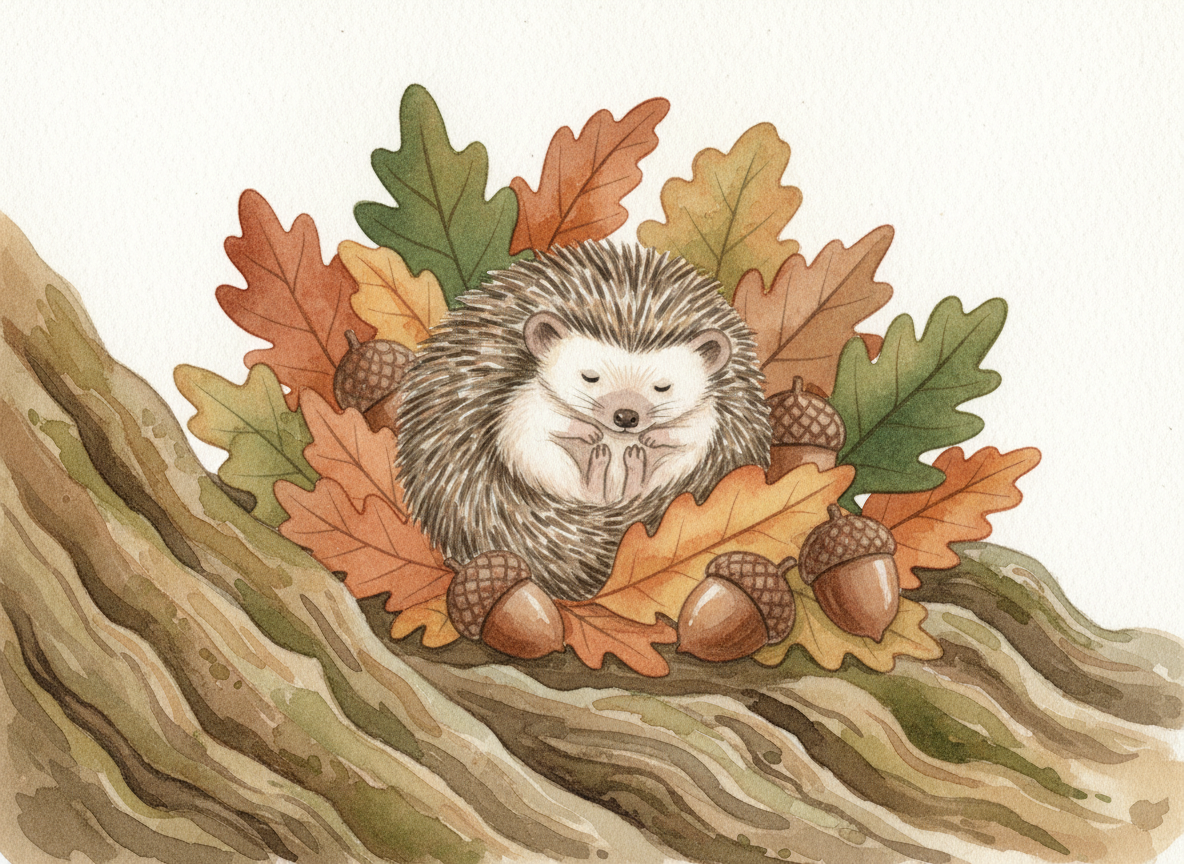
Hedgehogs are one of the oldest surviving mammal families, with a body plan that has barely changed in tens of millions of years. Their defining feature — somewhere between 5,000 and 7,000 spines made of keratin, the same protein as human hair and nails — isn’t just passive armor. When threatened, a hedgehog contracts a muscle running along its back to pull itself into a tight ball, spines outward, using its spine layout almost like a suit of chainmail rather than individual needles.
One of the strangest hedgehog behaviors is “anointing”: when a hedgehog encounters a new and interesting smell, it will chew the source, work up a frothy saliva, and then twist around to spread that saliva across its own spines. No one fully knows why — theories range from scent camouflage to a way of coating their spines with mildly toxic substances as an extra layer of defense. In European folklore, hedgehogs were often seen as clever and resourceful despite their small size, occasionally credited (inaccurately) with carrying fruit home on their spines. That image, however biologically wrong, is part of why hedgehogs became such an enduring, cozy folklore figure.
The Otter: Tool User, Family Animal, River Engineer
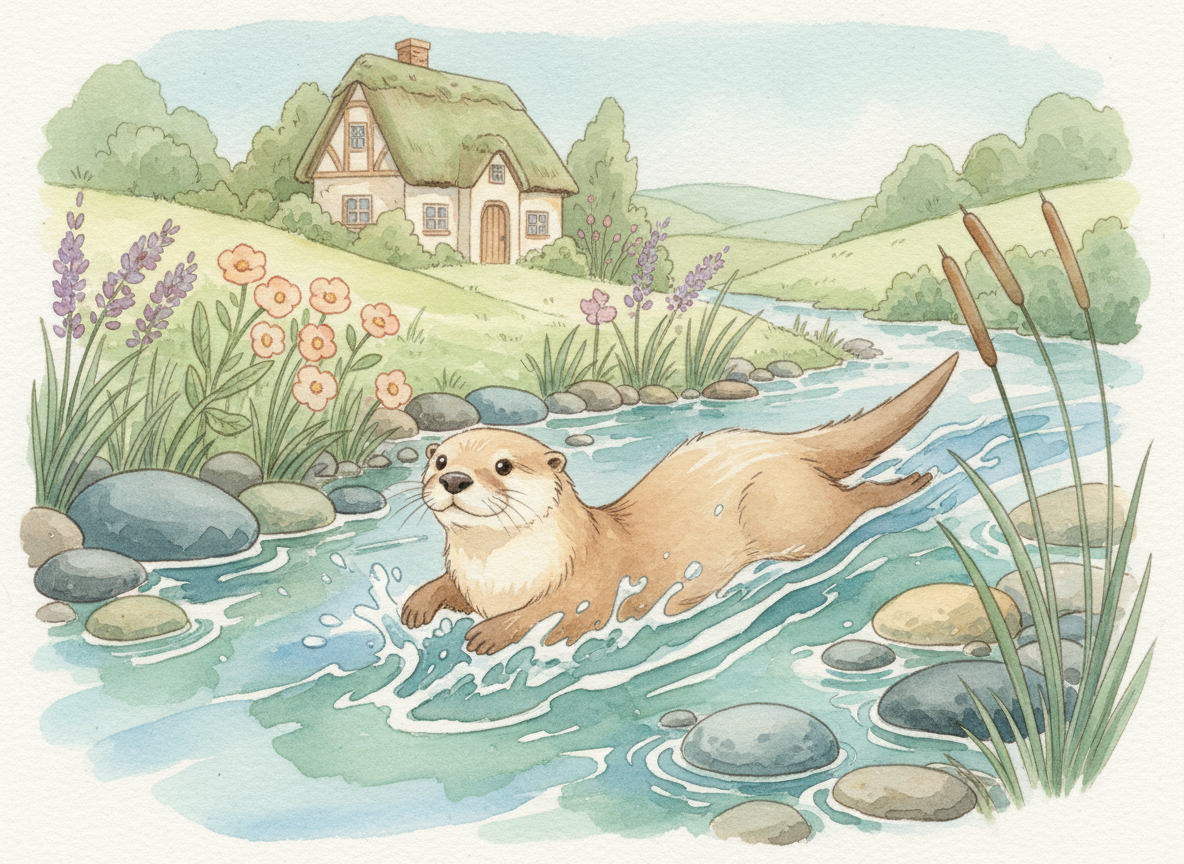
Otters are one of the few marine mammals confirmed to use tools. Sea otters famously carry a favorite rock tucked into a loose fold of skin under their arm, using it to crack open shellfish while floating on their backs — and individual otters tend to reuse the same rock for years. River otters, the species behind most of the “cottagecore otter” imagery, are highly social, living in family groups and famously playful: sliding down muddy or snowy banks appears to serve no survival purpose at all beyond apparent enjoyment, one of the clearer examples of play behavior in the wild.
Otters also hold a particular folklore role as guardians of rivers and boundaries between water and land in various European and Indigenous traditions, often seen as clever, adaptable, and slightly mischievous — not unlike the fox, but tied specifically to water rather than the forest floor. Their near-total dependence on clean waterways has also made them a modern symbol of river health: otters returning to a river after decades of absence is often treated as a strong sign that a waterway has recovered from pollution.
Why These Animals Still Capture Our Imagination
Foxes, hedgehogs, and otters share something beyond forests and folklore: each is small enough to feel non-threatening, intelligent enough to seem to have a personality, and visible enough at the edges of human life — in gardens, along riverbanks, at the margins of towns — that people have had centuries to watch them and build stories around what they saw. That long, close observation is probably the real reason these three animals, more than most, keep reappearing in illustration, folklore, and home decor alike: they were never really strangers to us in the first place.
If you love these animals as much as we do, we illustrate them as watercolor wall art prints in our Etsy shop, NaturalEMNB.
 Cottagecore Prints
Leave a comment